 Ramen Tokyo Tours
Home › Guides › What Are the Types of Ramen to Try in Tokyo?
What Are the Types of Ramen to Try in Tokyo?
The main types of ramen come down to four soups, shio, shoyu, miso and tonkotsu, and Tokyo serves all of them plus newer styles such as tsukemen and niboshi. This guide explains each type, the regional bowls you can eat in Tokyo and where to taste several side by side, from the ten shops on Tokyo Ramen Street to the Hachioji ramen lunch on a Mt Takao day trip.
Quick answer The main ramen types at a glance
The four main types of ramen are shio (salt), shoyu (soy sauce), miso (fermented bean paste) and tonkotsu (pork bone). Tantanmen, a sesame and chilli style, is a common fifth. Tokyo's own classic is a dark pork or chicken based shoyu ramen, and you can try ten different shops in one sitting at Tokyo Ramen Street, open 10:30 to 23:00.
Key takeaways
- Compare guided tastings in the Tokyo ramen tours catalogue
- Tokyo Ramen Street sits on the B1 floor of First Avenue Tokyo Station, open 10:30-23:00
- Miso ramen belongs to Hokkaido in the north, tonkotsu to Kyushu in the south
- Pair thick noodles with rich broths like tonkotsu, thin noodles with light shio broths
What Are the Types of Ramen to Try in Tokyo?
 from $120
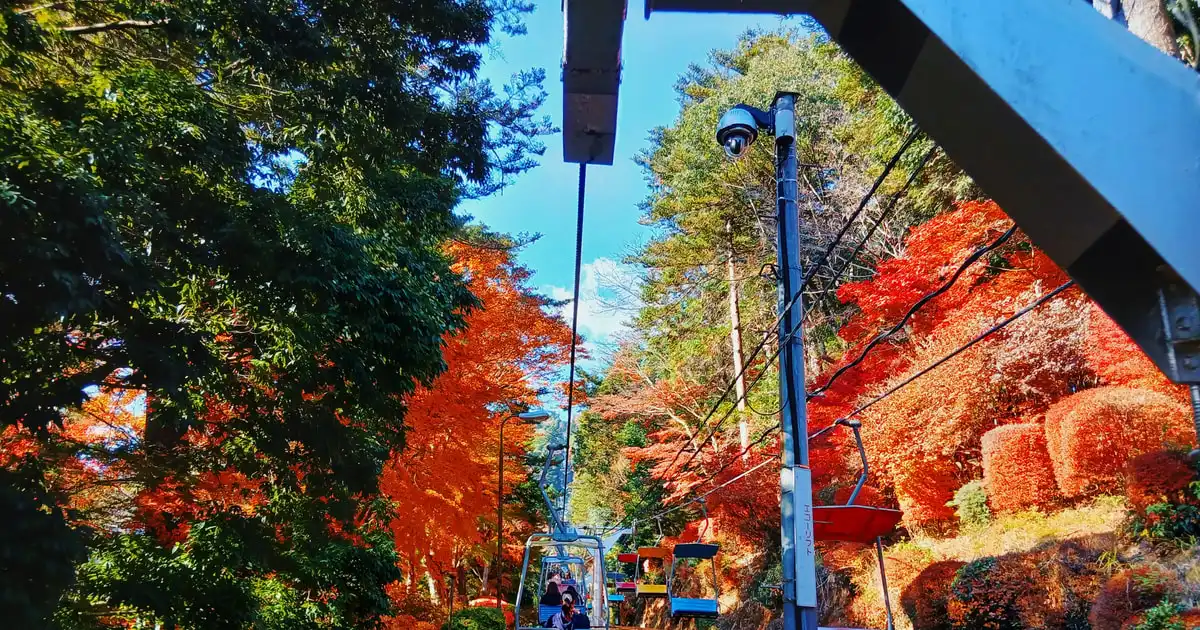
Mt Takao Tour with Ramen and Tattoo-Okay Hot Spring
Mount Takao hike, ramen lunch and a tattoo-friendly onsen in one 8 hour small group capped at 7 people.
Check AvailabilityWhat are the four main types of ramen?
The four main types are shio, shoyu, miso and tonkotsu, named for their seasoning or broth base.
Japanese shops usually specialise in one or two of these soups, so knowing the four helps you pick a shop before you even see a menu. Each style tastes completely different.
The four classic broths
Shio means salt. It is the lightest and clearest of the four, because salt is the main seasoning. Shoyu means soy sauce.
It gives a savoury, salty broth with a slight sweetness, and it is the style Tokyo is famous for. Miso uses fermented soybean paste, which makes a rich, hearty broth with deep umami. Tonkotsu is a creamy pork bone soup, made by simmering pork bones for a long time so fat, collagen and marrow give it body.
| Style | Seasoning or base | Broth character |
|---|---|---|
| Shio | Salt | Light and clear |
| Shoyu | Soy sauce | Savoury, salty, slightly sweet |
| Miso | Fermented soybean paste | Rich and hearty with deep umami |
| Tonkotsu | Pork bones | Creamy, thick and fatty |
Source: Japan National Tourism Organization.
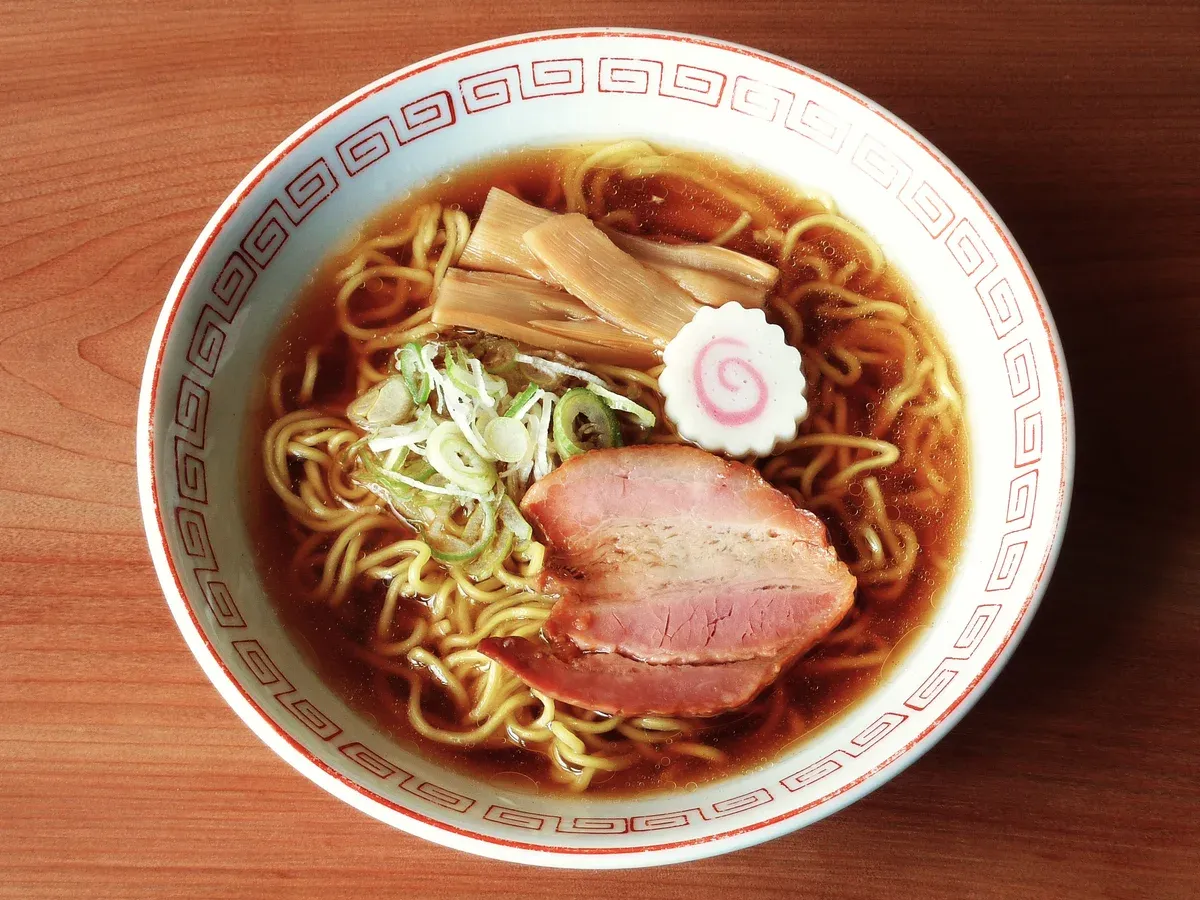
A bowl of shoyu ramen, the classic soy sauce style of Tokyo ramen. Photo: Quercus acuta, CC BY-SA 4.0, via Wikimedia Commons
What are the different types of ramen?
Beyond the four classics, common types include tantanmen, paitan and regional variations, with most shops listing shoyu, shio, miso, tonkotsu and tantanmen as the staples.
Once you step past the four classics, the menu opens up. Tokyo is a good city to explore these, because shops from every region of Japan cluster here.
Styles you will see on Tokyo menus
Tantanmen is inspired by Sichuan dan dan noodles. It combines creamy sesame with chilli for a warm, spicy bowl. Paitan is a chicken version of creamy broth, lighter than pork tonkotsu but still rich.
Niboshi ramen uses dried sardines for a sharp seafood broth, a style with a strong Tokyo following. Tsukemen is a dipping style, with noodles served cold beside a concentrated broth. You will also find regional imports on the same streets: Sapporo miso bowls with butter and sweet corn, and Kyushu tonkotsu with thin noodles.
| Style | What makes it different | Who it suits |
|---|---|---|
| Tantanmen | Creamy sesame and chilli | Spice lovers |
| Paitan | Creamy chicken broth, lighter than tonkotsu | Rich broth fans who want less heaviness |
| Niboshi | Dried sardine seafood broth | Adventurous eaters |
| Tsukemen | Noodles dipped in concentrated broth | People who like intense flavour |
| Sapporo miso | Miso with butter, corn and ground pork | Comfort food fans |
What's the most popular type of ramen?
Shoyu is the most established choice in Tokyo, where the classic style is a dark, pork bone or chicken based soy sauce ramen.
Popularity depends on the city. Tokyo has its own answer, and it is worth eating it first before you branch out.
Tokyo's own classic
Tokyo's traditional bowl is shoyu ramen, seasoned with soy sauce, served in a dark broth built on pork or chicken bones. It is the style the city grew up on, and it is still the default bowl in many old neighbourhood shops. Shoyu gives a savoury, salty flavour with a slight sweetness, which makes it an easy first bowl for a traveller.
If you want a balanced savoury broth to start with, shoyu is the recommended starting point. From there, richer palates move to miso or tonkotsu, lighter ones to shio.
| If you like | Start with |
|---|---|
| Balanced savoury broth | Shoyu |
| Rich and heavy | Miso or tonkotsu |
| Light and clear | Shio |
| Heat | Tantanmen |
Source: Japan National Tourism Organization.
Which ramen is tastiest?
There is no single tastiest type, because the styles suit different tastes, from light shio to heavy tonkotsu.
Taste in ramen is a spectrum from light to rich. Pick where you sit on it and the tastiest bowl for you follows.
Match the broth to your taste
Clear broths are typically shio or shoyu, and rich broths are tonkotsu or miso. If you love creamy, fatty food, tonkotsu is the peak of that style, built on pork bones simmered long enough for fat, collagen and marrow to fill the soup. If you prefer clean flavours where the broth ingredients show through, shio wins.
Miso sits in the middle with hearty umami, and tantanmen adds chilli heat on top of creaminess. The honest answer is to try one from each end of the spectrum in the same day and decide for yourself.
| Taste | Broth type |
|---|---|
| Clear | Shio or shoyu |
| Rich | Tonkotsu or miso |
| Spicy and creamy | Tantanmen |
What is the difference between shoyu and shio ramen?
Shoyu is seasoned with soy sauce and tastes savoury and slightly sweet, while shio is seasoned mainly with salt and has a lighter, clearer broth.
These two look similar in the bowl and travellers mix them up constantly. The difference is the seasoning and the weight of the soup.
Same clear look, different depth
Both styles usually have a transparent broth, which is why they confuse people. Shio gets its seasoning almost entirely from salt, so nothing masks the flavour of the chicken, fish or vegetable stock underneath. It is the lightest bowl on the menu.
Shoyu adds soy sauce, which darkens the soup and layers on savoury, salty notes with a slight sweetness. If a clear bowl tastes clean and delicate, it is shio. If it tastes deeper and more savoury, it is shoyu.
| Feature | Shio | Shoyu |
|---|---|---|
| Seasoning | Salt | Soy sauce |
| Broth colour | Clear | Darker |
| Flavour | Light and delicate | Savoury, salty, slightly sweet |
| Weight | Lightest of the styles | Medium |
Try them side by side in Tokyo
Tokyo Ramen Street, on the B1 floor of First Avenue Tokyo Station, has a shop for each. Shio Ramen Senmon Hirugao specialises in salt broth made with noodles from Hokkaido wheat, and Soranoiro Nippon is known for its shoyu ramen. Hirugao runs until 23:00 and Soranoiro from 9:00 to 23:00, both with last orders at 22:30, so you can taste them back to back in one evening.
| Shop | Style | Hours |
|---|---|---|
| Shio Ramen Senmon Hirugao | Shio | Until 23:00, last orders 22:30 |
| Soranoiro Nippon | Shoyu | 9:00-23:00, last orders 22:30 |
Which type of ramen is the spiciest?
Tantanmen is the spiciest common type, combining creamy sesame broth with chilli heat.
None of the four classic styles is built for heat. If you want spice, you order a chilli style instead.
Tantanmen and its heat
Tantanmen is inspired by the Sichuan dish dan dan noodles. The broth blends creamy sesame with chilli, so you get richness and heat in the same bowl. If you are new to spice, tantanmen is a friendly entry point, because the sesame softens the chilli rather than fighting it.
What is the richest or creamiest ramen broth?
Tonkotsu is the richest and creamiest common broth, made by simmering pork bones until fat, collagen and marrow thicken the soup.
Creaminess in ramen comes from long cooking of bones, not from dairy. Tonkotsu is the fullest expression of it.
How tonkotsu gets its texture
Shops simmer pork bones for an extended period, often overnight, so the fat, collagen and marrow break down into the liquid. The result is an opaque, almost white soup with real body. Paitan does the same thing with chicken bones and lands slightly lighter.
Miso is hearty but not creamy in the same way, and the four classics otherwise stay clear. Rich, creamy broth needs thick noodles to stand up to it, while thin noodles pair better with lighter shio and clear seafood broths.
| Broth | Creaminess | Best noodle match |
|---|---|---|
| Tonkotsu | Highest, from pork fat and collagen | Thick |
| Paitan | High, chicken version | Medium to thick |
| Miso | Hearty but not creamy | Medium |
| Shio | Lightest, clear | Thin |
Types of ramen noodles: what are they made of?
Ramen noodles are made from wheat flour, water, salt and kansui, an alkaline mineral water that gives them their signature chewiness.
The noodle is half of every bowl, and the type of noodle changes with the broth it serves.
Kansui and chewiness
Kansui is the ingredient that separates ramen noodles from ordinary wheat noodles. It is an alkaline mineral water that gives the noodles their yellow colour and springy, chewy bite. Shops cut noodles to different widths.
Thick noodles have more surface and stand up to rich, creamy broths like tonkotsu or paitan. Thin noodles cook fast and suit lighter shio or clear seafood broths, where a heavy noodle would drown the delicate soup. When you order, the shop has already matched the noodle to the broth, so you rarely need to choose.
| Noodle | Pairs with |
|---|---|
| Thick | Rich creamy broths like tonkotsu or paitan |
| Thin | Light shio or clear seafood broths |
What are the regional types of ramen in Japan?
Tokyo's classic style is a dark pork or chicken based shoyu ramen, Sapporo is known for miso ramen and Kyushu prefers tonkotsu.
Japan's regions each claim a signature bowl, and Tokyo shops import most of them, so you can tour the country without leaving the city.
North to south
In the north, Sapporo on Hokkaido owns miso ramen. Its bowls are rich and hearty, often topped with butter, sweet corn and ground pork to suit cold winters. Tokyo sits in the middle with its dark shoyu tradition, built on pork or chicken bones.
Kyushu in the south is the home of tonkotsu, the creamy pork bone soup, usually served with thin noodles. Sampling these three in order, miso, shoyu, tonkotsu, gives you a feel for the whole map in a single day.
| Region | City or area | Signature style |
|---|---|---|
| North | Sapporo, Hokkaido | Miso, often with butter and sweet corn |
| Centre | Tokyo | Dark shoyu on pork or chicken bones |
| South | Kyushu | Tonkotsu pork bone broth |
Regional Bowls Without Leaving Tokyo
Two easy ways to taste regional styles near Tokyo. The Shin-Yokohama Ramen Museum gathers regional shops under one roof, among them Ryukyu Shinmen Tondou for Okinawa salt ramen, Rishiri Ramen Miraku for scorched soy sauce with Rishiri kelp from Hokkaido and Hakata Issou for tonkotsu. Adult entry is 450 yen.
The Mt Takao Hike With Ramen and Hot Spring includes a Hachioji ramen lunch, the local style of the city at the foot of the mountain, with soba or a vegetarian option instead. It runs 8 hours for $120, and the cable car or chairlift costs about 500 yen extra.
Sources: Japan National Tourism Organization, Shinyokohama Raumen Museum.
Where can you try every type of ramen in Tokyo?
Tokyo Ramen Street on the B1 floor of First Avenue Tokyo Station gathers ten shops covering shio, shoyu, miso, tonkotsu, iekei, tsukemen and dried-fish broths, open 10:30 to 23:00 with last orders at 22:30.
One underground street lets you taste the styles back to back, and it sits directly inside Tokyo Station, so it fits any itinerary.
The ten shops of Tokyo Ramen Street
First Avenue Tokyo Station lists ten ramen shops on its B1 floor, and the Tokyo Ramen Street official guide gives each one a style. The table sets them side by side with the hours each shop publishes. Rokurinsha opens first at 7:30 for tsukemen and pauses briefly from 9:45 to 10:00.
Bring cash or a card, because barcode and QR payment cannot be used at Tokyo Ramen Street.
| Shop | Style | Hours | Last orders |
|---|---|---|---|
| Rokurinsha | Tsukemen (dipping ramen) | 7:30-23:00 | 9:30 morning, 22:30 night |
| KAKUSHINKA TOKYO | Iekei | 8:00-23:00 | 22:30 |
| Tonkotsu Ramen Oreshiki Jun | Tonkotsu | 8:00-23:00 | 22:30 |
| HANAMICHIAN | Miso | 8:00-23:00 | 22:30 |
| Soranoiro Nippon | Shoyu, vegan dishes | 9:00-23:00 | 22:30 |
| Shio Ramen Senmon Hirugao | Shio | Until 23:00 | 22:30 |
| Tokyoeki Ikaruga | Seafood tonkotsu | Until 23:00 | 22:30 |
| Tokyo Niboshi Ramen Gyoku | Fish broth with chicken | Until 23:00 | 22:30 |
| Tsugaruniboshi Hirakoya | Aomori dried sardine | 10:30-22:30 | 22:00 |
| Shokudo Hasegawa | Ramen | 11:00-22:30 | 22:00 |
Which type of ramen should you try first?
Start with shoyu for balanced savoury broth, choose miso or tonkotsu for something richer, shio for lighter, and tantanmen for heat.
A simple rule covers most first visits to Tokyo. Pick the style that matches the kind of meal you want, then let that bowl decide the rest of your trip.
A chooser for your first day
If you want a balanced, savoury bowl, shoyu is the recommended starting point, and it happens to be Tokyo's own tradition. For something rich and filling, choose miso or tonkotsu. For a light, clean soup, choose shio.
For heat, choose tantanmen. A good first day plan is one classic shoyu bowl at Tokyo Ramen Street for orientation, then a second style in the evening to test whether you lean light or rich. The Tokyo ramen tours catalogue compares guided tastings that serve several styles in one walk, so you can taste them without planning each queue.
| You want | Order |
|---|---|
| Balanced and savoury | Shoyu |
| Rich and hearty | Miso or tonkotsu |
| Light and clear | Shio |
| Spicy and creamy | Tantanmen |
| Intense, eaten slowly | Tsukemen or niboshi |
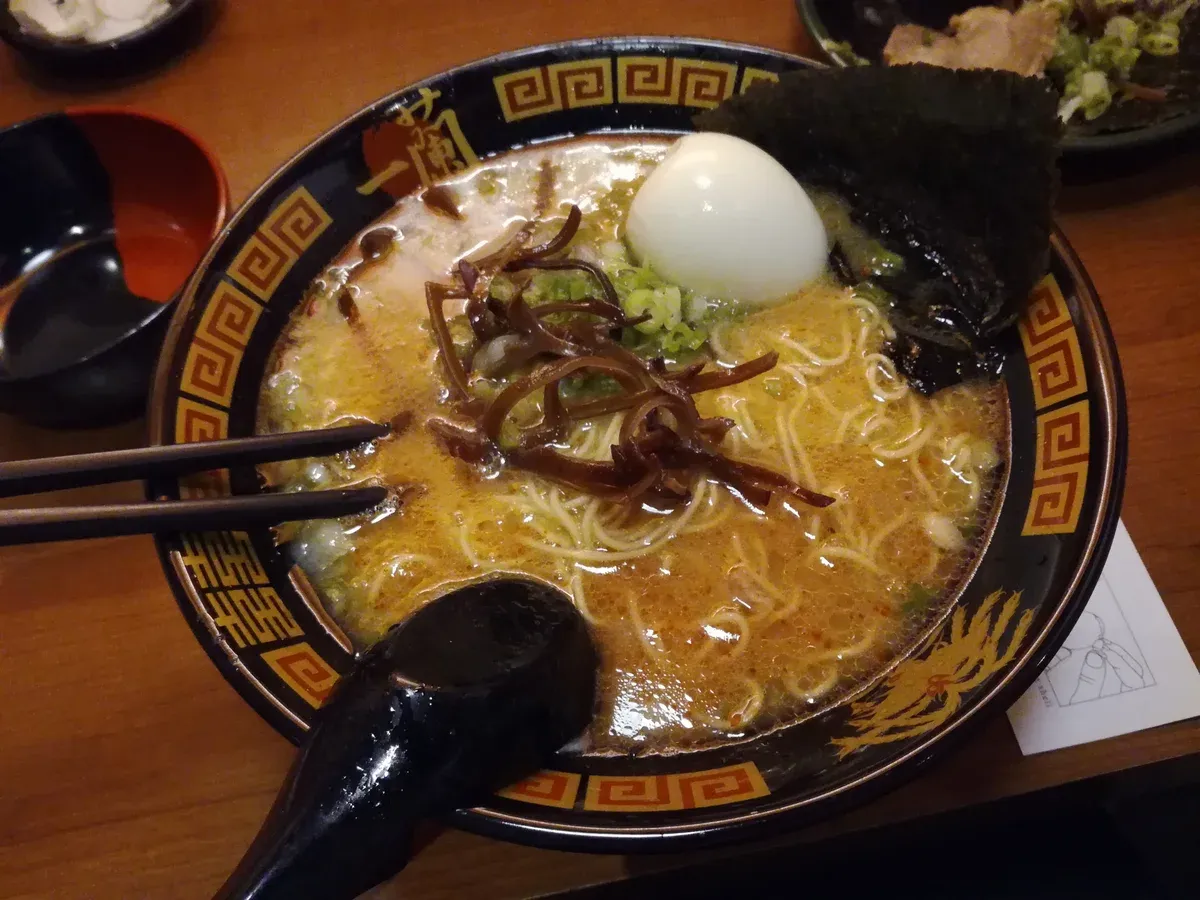
A bowl of tonkotsu ramen in pork bone broth from the Japanese chain Ichiran. Photo: Ivilinia, CC BY-SA 4.0, via Wikimedia Commons
Types of Ramen FAQ
What are the four main types of ramen?
Shio (salt), shoyu (soy sauce), miso (fermented bean paste) and tonkotsu (pork bone). Japanese shops usually specialise in one or two of these soups.
What's the most popular type of ramen in Tokyo?
Shoyu. Tokyo's classic style is a dark, pork bone or chicken based soy sauce ramen, and it remains the default bowl in the city's older shops.
Which ramen is tastiest for a first timer?
Shoyu is the recommended starting point for a balanced savoury broth, then move to miso or tonkotsu for rich, shio for light, tantanmen for heat.
What is the difference between shoyu and shio ramen?
Shoyu is seasoned with soy sauce for a savoury, salty, slightly sweet flavour. Shio is seasoned mainly with salt, giving a lighter and clearer broth.
Which type of ramen is the spiciest?
Tantanmen, which combines creamy sesame broth with chilli, inspired by Sichuan dan dan noodles.
What is the creamiest ramen broth?
Tonkotsu. Pork bones are simmered for an extended period so fat, collagen and marrow give the soup a creamy texture. Paitan is the lighter chicken version.
How many ramen shops are on Tokyo Ramen Street?
Ten, on the B1 floor of First Avenue Tokyo Station. The street is open 10:30 to 23:00 with last orders at 22:30, and several shops open from 8:00 or 9:00. Barcode and QR payment cannot be used there, so bring cash or a card.
Is there a Tokyo ramen tour that combines bowls with sightseeing?
Yes. One option is the Mt Takao Tour with Ramen and Tattoo-Okay Hot Spring, 8 hours, $120 per person, plus about 500 yen for the cable car or chairlift, paid on the day. More options are in the Tokyo ramen tours catalogue.
More Guides
- Where Is the Best Ramen in Tokyo?
Ten ramen shops on one floor at Tokyo Station, four soups, tasting tours. Find the best ramen in Tokyo in 2027 and plan your bowls.
- Cooking Classes in Tokyo With Ramen, Gyoza and Sushi
Ramen, gyoza and sushi classes of 2.5 to 3 hours for groups of 6 to 8 in 2027. Compare areas, diets and refunds, then check availability.
- How to Eat Ramen in a Tokyo Ramen Shop
How to eat ramen in Tokyo 2027: the 4-step ticket machine, slurping, the broth and what is rude. Read it before your first bowl.